11 best ways to stop losing in forex (Guaranteed)

Introduction
One of the most important things in trading is to not lose.
The forex market offers a lot of opportunities and pitfalls, which means there's a lot of chances to get stopped out and take a loss.
If you're new to trading then you're probably still learning how to navigate the markets so this can be pretty frustrating.
Here are 11 best ways to stop losing in Forex guaranteed.
1. Learn Everything You Need To Know
The first step to not losing in forex is to learn everything you need to know.
This includes technical analysis, fundamental analysis, and risk management.
You can't make good decisions without understanding the basics of all three.
The more knowledge you have, the quicker you will understand how to trade better. Knowledge is power!
To assist you in your journey to trading success, I have created a course that can teach you everything above.
So if you want to FAST track your trading check out theNFXT Pro Mentorshiptoday.
2. Have Patience And Know When It's The Right Time To Take A Loss
Patience is key when trading, especially in the forex market.
The markets are unpredictable and there's no telling which way it will go.
There will be times where you'll need to wait for the right time to take a loss.
If you have a lot of hope that a trade will turn around and make you some money, then it's best not to take a loss because that means your trade has gone against you and there's no telling what will happen next.
You could also potentially lose more than if you took that loss from the beginning.
On the flip side, there may be times where it's clear that the trade is getting away from you and it doesn't seem like it's going to come back any time soon.
In those cases, taking a loss would be appropriate so that you don't continue to risk more capital on something with little potential for profit.
3. Don't over trade and be patient

One of the first things new traders do is overtrade.
These traders will enter a trade, feel the need to exit, and then get stopped out with a loss.
The best way to stop losing in Forex is by not overtrading and being patient.
When you're patient, you'll be able to think through your trades more thoroughly and figure out when it's worth getting into a position.
If you can't be patient, then try to limit your trading time so that you are only trading during certain hours when you can be patient.
The top-ranked traders all trade the same hours because they know they won't overextend themselves while trading if they only trade during these specific hours.
Overtrading is caused when a trader doesn't stick to the trading plan and increases to much money on a trade which can lead to poor results.
Overtrading is also caused by emotions, which could stem from excitement once in a winning trade.
This can generally be from terms known as greed and fear. It's important to underastand how greed and fear can effect you with your trading...
Greed- Holding onto a trade longer than you should, trying to get every single dollar out of the move.
Fear- Closing your trade too early, with the feeling you will lose again and lose more money.
To read more on how to avoid overtrading, then check out this post right nowclicking here.
4. Follow your trading plan

One of the most important things in trading is to not lose.
You should always have a trading plan that tells you what you're going to do when there's a certain type of trade.
For example, if your trade is long, then you should have a plan for when the trade goes against you and starts going down.
What’s needed in my Forex trading plan?
Forex trading plan contains:
Your Forex trading plan will need to cover each scenario you may come across with your trading. Put simply, you need to have a trading routine within your trading activities. Without this, things can take a nasty turn!
Believe me I get… when things go wrong in your trading, for what ever reason. You will wish you had that trading plan and journal to know what went wrong.
Many occasions when I started trading, I took losing trades to find myself confused and to be honest in shock why I kept losing. From there, frustration creeps in and before you know it…
you’ve blown that account again!
Your Forex trading business plan needs to include a check list that you can follow. This needs to include things that are important for you to follow within the market and what you need before entering a trade.
If you create your whole trading plan as a checklist, this will make your trading decisions run more smoothly with knowing if a trade is worth entering or not.
What else should my trading plan include:
In your Forex trading plan, it’s important to have written guidelines for you to follow.
So you know in advance what actions you take prior to any setups. It can also be beneficial for you to have chart images of previous trades, so you have a visual aspect of what to look for.
What written guidelines are needed?
That’s a good question…
Your plan should have a written description of each steps you would need to take in the markets.
This would include things such as:
What time frame you trade (Daily is my preferred time frame)
When you take a trade
How you will trade it (See more on trade management further below)
Do you have a trading edge
Risk management
Profit targets and overall % goals
Eventually…
If you follow your checklist and chart images for long enough, you will start to know exactly what is the ideal trade setup you are looking for.
In Forex trading, this is one key component to your success, being able to filter out the good from the bad setups.
Following your checklist will also make you into a more disciplined trader, gaining confidence with each trade you take.
Planned ahead of time
Another advantage with following a Forex trading plan and checklist. Will give you the skills to pre-determine and evaluate a trade setup ahead of time.
For one, this is going to be the best way to profit from the markets over the long -run.
Whenever you are not in a trade, is going to be the only time you are uninfluenced by the markets! In essence this will help you towards keeping your emotions under control and not over trading.
Trade Management
I covered what you should include in a checklist above, but I wanted to cover trade management in more detail.
Once you have created the checklist with trades you want to look to take.
You are then going to need to include in your plan how you will manage your trades. With the markets having no rules in place, this is one of the most important steps to follow.
With there being no rules, once you’re in a trade there won’t be anyone to tell you when to take profit or cut your losses.
So without adding this to your checklist you won’t know how to manage your trades.
But… that’s the easy part isn’t it?
No… by no means is this easy, for one: your emotions will take a large roll with trading. So without a set of key components to your checklist you won’t have any way to keep them under control.
This will then bring out GREED and FEAR in your trading.
So you must not forget these important things on your checklist:
How much you are willing to risk per trade (for me this is a account %)
Where you will place your stop loss
How you will place your profit targets
How often will you check the trades (If trading the Daily I only check once a day)
The more consistent you stick to your plan, the more consistent your profits will be.
Write It and follow it!
Your trading plan is going to be useless until you have written it down.
Don’t make the same mistake I made when I first started trading.
I have my plan in my head!
Having your plan in your head is going to be a waste of time. Because when it comes to making those important trading decisions you will break under pressure.
And… the plan goes out of the window.
So write out your plan and have it with you at all times when you trade.
Now make sure you follow it, I mean you wrote the plan for a reason so make sure you follow it! I know it may sound simple to follow the plan you wrote, but when something looks OK you fail to follow it.
Always give your Forex trading plan a chance
There’s no point spending the time, creating a plan to then throw it out as soon a trade loses.
I mean… you start using your plan, you make some winning trades.
Then after this you take a few losses, and before you know it you’ve slung the plan and forgot about it. You need to give the plan a chance to perform.
By this I mean over a number of trades.
Not just a few but a good amount of data is required, to see if the plan is working.
Remember this quote..
“Plan your trade and trade your plan!”
5. Keep a tight stop loss
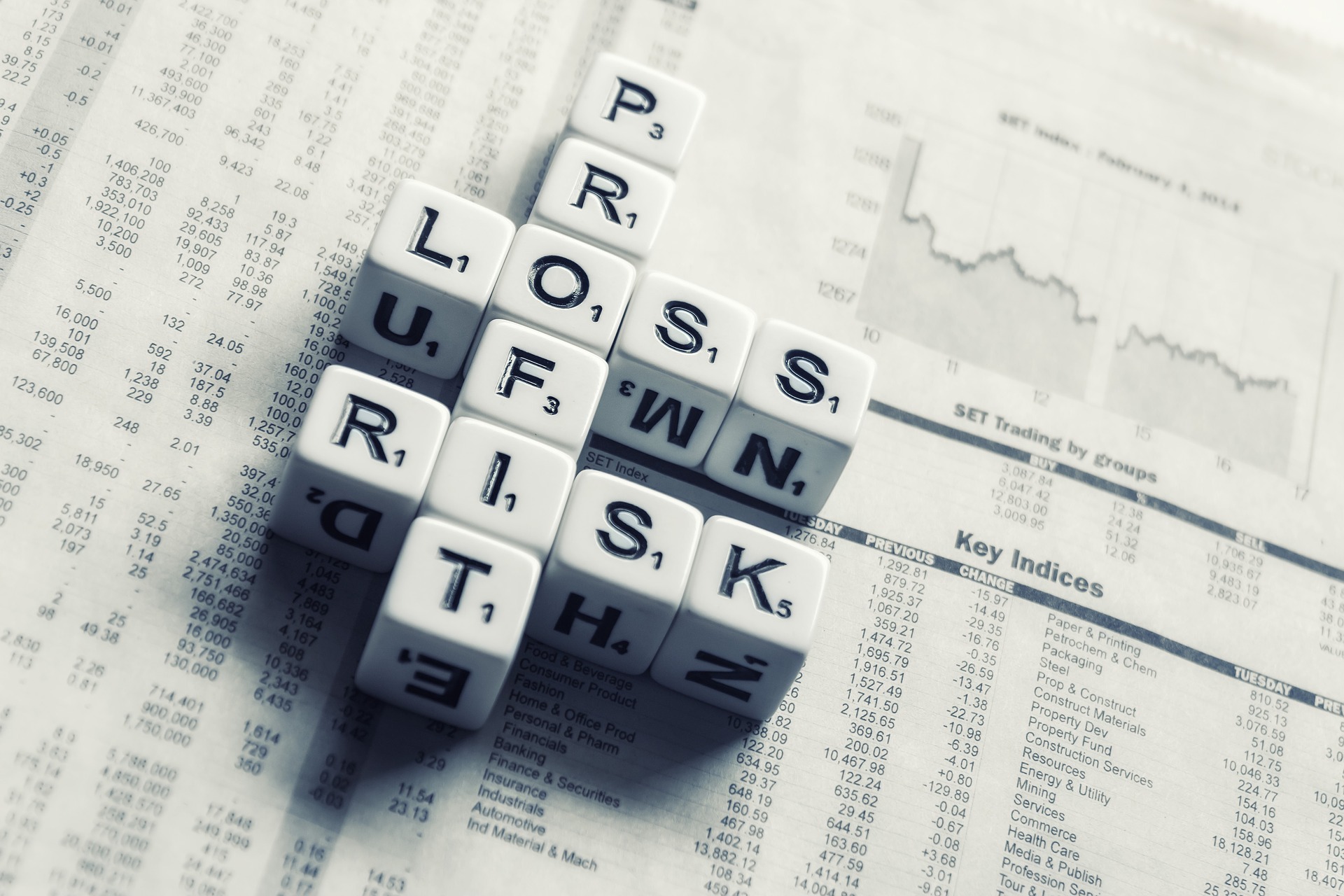
It sounds simple and straightforward, but keeping a tight stop-loss is one of the most important things you can do.
The reason this is important is that it helps minimize your losses when the trade goes against you.
As long as the trade isn't going your way, you'll keep a tight stop-loss, which means that if the price continues to go down, then you don't have to worry about it hitting your order and taking out an even larger chunk of your capital.
6. Don't trade against the trend
The best way to stop losing in forex is to not trade against the trend.
This is one of the most common mistakes beginner traders make because they are scared to miss out on opportunities that may never come back.
But if you don't have a clear understanding of how the market moves, then it's likely you'll be trading against the trend and lose money.
If you're not sure if you should buy or sell, wait until there's a clear indication one way or another.
7. Trade with the trend, not against it
The first thing to do is to learn the markets.
Learning the basics of the forex market will help you make better decisions and allow you to see patterns in price action.
For example, when prices are trending upwards, it might be tempting to take a long trade but this could be an overbought condition where a reversal might happen soon.
If you're going against the trend, then you'll likely experience losses or get stopped out of your trade.
Ultimately, success in trading is about making money over time.
That's why it's important to not make emotional decisions and go with what makes sense for that particular situation.
You'll want to stay on the same side as everyone else so you won't get stopped out or lose money by taking a trade that goes against the trend.
If you're new to trading then this free $10K eBook will cover how you can determine market structure and trends using price action and will be a perfect fit for your education. To grab your free eBook justclick here.
8. Make sure you have enough room for slippage before taking profit
One of the worst things you can do is take a profit and then have it be rejected.
You'll end up with a loss on your trade-even though you made money! This happens for a few reasons.
The first is that as soon as you hit your take profit, the market could react to what happened in the opposite direction-taking away your winning trade.
The second reason this can happen is because of slippage.
Slippage occurs when there's not enough liquidity in the market to fill your order at the price you want.
When this happens, the price will change slightly to match what's out there on the rest of the market.
So, for example if you want to buy at 102 and buy at 103, it won't happen because no one wants to sell at 102 but they will sell at 103.
If this happens with a profitable trade, then you'll end up losing money even though you've made money!
9. Take small profits and keep risk low
The first thing you need to do is take small profits and keep your risk low.
This way you'll be able to ride out the lows and highs of the market without taking too much of a loss.
If you're trying to make big money then it's not very likely that you'll be able to do that by taking small profits, but it does help reduce your losses during the bad times.
It also helps if you don't focus on just one strategy for trading because it will help diversify your investments, which means less chance of losing quite so much in any one particular market.
A great strategy for taking small profits and on a consistent basis. Is with using a supply and demand trading approach, and you can learn more on thisclicking here.
10. Don't set your stop loss too tight
When you're new to trading, or even if you've been trading for a while and are still learning, it's easy to set your stop losses too tight.
This is when you set your stop loss at the same amount as your entry point.
This can be pretty frustrating when you're trying to break even, only to get stopped out of your trade.
**The best way to fight this problem is not set the stop loss too tight.**
This might sound counterintuitive but if you want to avoid losing, then setting it higher than what you paid for the trade will help guarantee that you don't lose money.
If it goes against everything that you've heard about trading, then think about this:
What would happen if the stock that you bought went up?
Would you sell at a profit or would you hold onto it?
You'll most likely hold on to it because what if the stock goes even higher?
The same principles apply in investing and trading forex.
You always want to have a little wiggle room with your stop loss so that if things go well then they can go tremendously well.

11. Make sure you have the correct trading education
This might sound obvious, but not every trader thinks about having the right trading education for their trading future.
Many new traders fail to get trading education at all, and it's often then too late for them to see where they've been going wrong.
So one piece of advice I give to all new traders, is to make sure they get trading education.
It doesn't matter if it's from YouTube content or through a mentor like myself.
It's important a trader developes into a consistent trader using the correct trading education.
This brings me to sum up this post with making sure you've got some good education today from this post.
And signing up to your free eBook today clicking here.


© 2024 Norfolk FX Trader a trading name of JJ'S Enterprises Norfolk Limited - All Rights Reserved